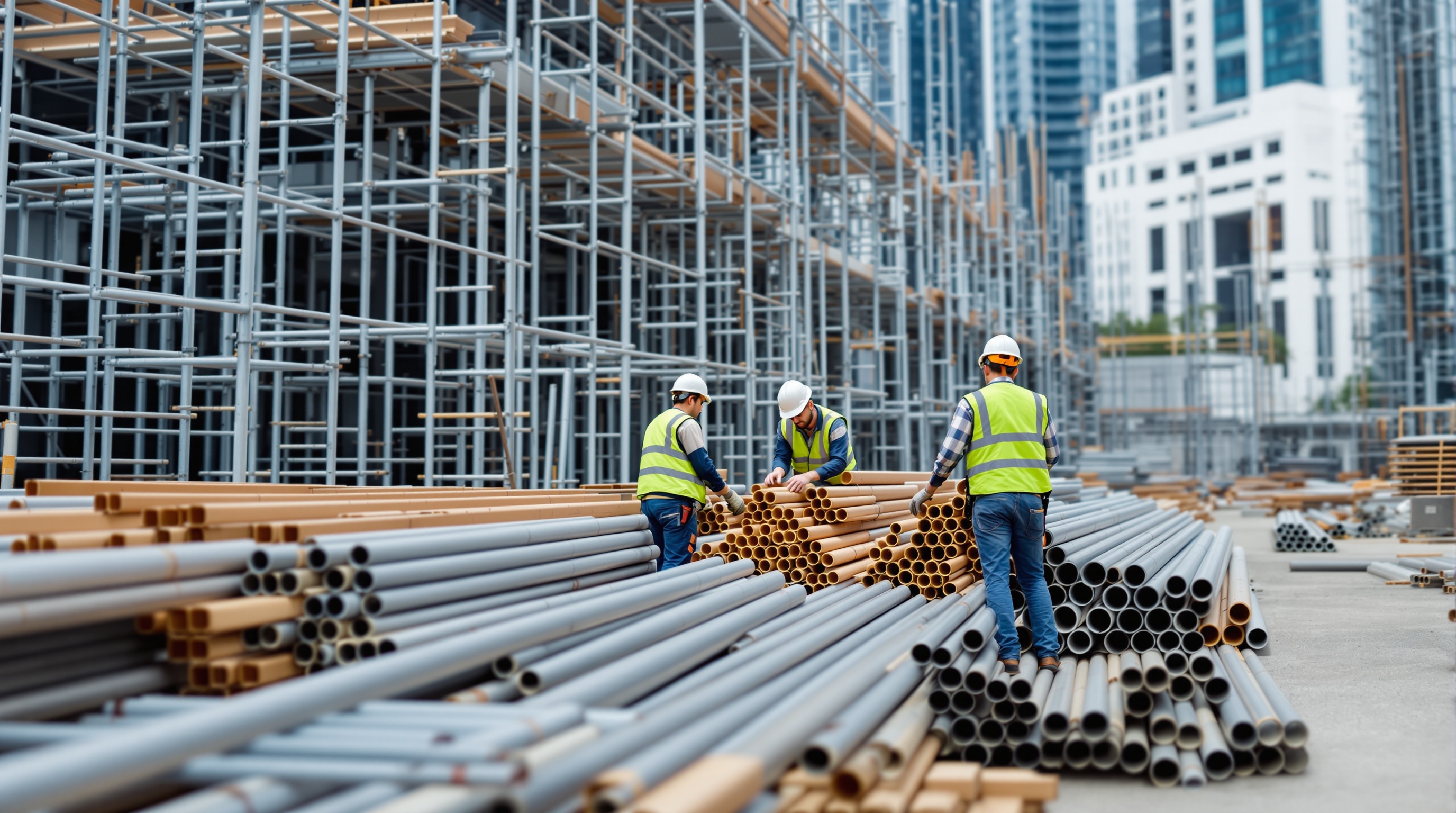
Choosing Scaffolds
Scaffold selection for Singapore construction projects requires engineering assessment of load capacity, site conditions, and project duration under BS EN 12811-1 standards. Frame systems support 2.0 kN/m² uniformly distributed loads for general trades, while heavy-duty modular configurations handle up to 6.0 kN/m² for concrete formwork and structural shoring. Ezzogenics evaluates ground conditions, adjacent structures, and overhead hazards through certified site assessments before specifying any system.
Last updated: 2026-05-15
Selecting the right scaffold system requires technical assessment of load capacity, site conditions, and project duration. Ezzogenics provides certified engineering consultation for every specification.
Engineering Criteria for Scaffold Selection
Scaffold selection is governed by Singapore's Building and Construction Authority (BCA) regulations under the Workplace Safety and Health (Scaffold) Regulations 2008. Every scaffold system must be specified based on engineering assessment of load capacity, structural stability, and environmental exposure. At Ezzogenics, our certified engineers evaluate each project against BS EN 12811-1 standards to determine the appropriate system configuration.
The primary scaffold categories available through Ezzogenics include frame scaffold systems, suspended platforms, tower scaffolds, mobile scaffolds with castor assemblies, tubular systems with proprietary couplers, and modular working platforms. Each category carries distinct load ratings — frame systems typically support 2.0 kN/m² uniformly distributed loads, while heavy-duty modular systems are rated for 3.0–6.0 kN/m² depending on configuration. System selection must account for dead loads (platform weight, boards, guardrails), live loads (personnel, materials, equipment), and environmental loads (wind, rain, temperature exposure).
Ezzogenics conducts site-specific risk assessments prior to specification. Our engineering team evaluates ground conditions for bearing capacity, adjacent structure proximity, overhead electrical hazards, and access constraints. This data-driven approach eliminates guesswork and ensures regulatory compliance from project inception through dismantling.
New Scaffolds vs. Refurbished Systems
The decision between new and certified-refurbished scaffolding depends on project duration, intensity, and capital allocation. New galvanised steel systems carry full manufacturer warranties and are warranted for structural integrity under BS EN 12810. Refurbished systems from Ezzogenics undergo non-destructive testing (NDT), shot-blasting, hot-dip galvanising, and dimensional verification before re-certification. All refurbished components carry traceable test certificates.
For high-rise facade work, new systems are mandatory due to the critical nature of tensile and compressive forces at elevation. For interior maintenance, light-duty refurbishment, or short-term residential painting contracts, certified-refurbished systems deliver identical safety performance at 30–40% reduced capital outlay. Ezzogenics provides lifecycle cost analysis to support informed procurement decisions.
Procurement through a Licensed Scaffold Specialist
Engaging a licensed scaffold specialist eliminates procurement risk. Ezzogenics holds full BCA registration, WSH scaffold erector licenses, and product liability coverage. Our specification process includes structural calculations, method statements, and inspection schedules compliant with Singapore's Workplace Safety and Health Act.
Rather than navigating generic equipment catalogues, clients receive project-specific scaffold drawings with rated load annotations, base-plate layouts for load distribution, and guardrail compliance matrices. Ezzogenics manages delivery logistics, on-site assembly by licensed erectors, and post-erection handover inspections documented with photographic records. This turnkey approach eliminates the common failure points associated with self-specified scaffold procurement.
Need Scaffolding for Your Project?
Contact our team for certified scaffolding products and services tailored to your construction needs.
Get a Free QuoteRelated Articles
Scaffold System
Professional scaffold systems differ in structural configuration, load capacity, and mobility. Ezzogenics supplies certified frame, suspended, tower, mobile, and tubular systems for every project scale.
Types of Scaffolding
Scaffold systems are classified by structural configuration, load rating, and mobility. Ezzogenics supplies frame, tubular, suspended, tower, mobile, and supported systems certified to BS EN 12810–12811.
Scaffolding FAQ
The optimal scaffold system depends on height, load demand, geometry, and duration. Our engineering team evaluates these parameters and recommends frame, tubular, suspended, tower, or mobile configurations with PE-endorsed design drawings.
Every scaffold exceeding 4 metres requires PE design approval, MOM-certified erectors, and handover inspection. We manage all regulatory requirements including BCA submission and weekly competent-person inspections.
MOM mandates weekly inspections by a competent person. Re-inspection is required after weather events, structural alterations, or impacts. We provide weekly inspection services with photographic documentation.
Yes. All non-standard scaffolds, systems exceeding 30 metres, and cantilevered configurations receive PE-endorsed structural calculations, load-path verification, and BCA submission documentation.
Steel offers higher load capacity (up to 6.0 kN/m²) for heavy-duty construction. Aluminium provides 50–60% weight reduction for faster assembly and manual handling, ideal for interior fit-out and maintenance.
Submit project details through our contact form, email david@ezzogenics.com, or call +65 9632 0750. We issue quotations within 24 hours for standard systems and 48 hours for complex designs.